
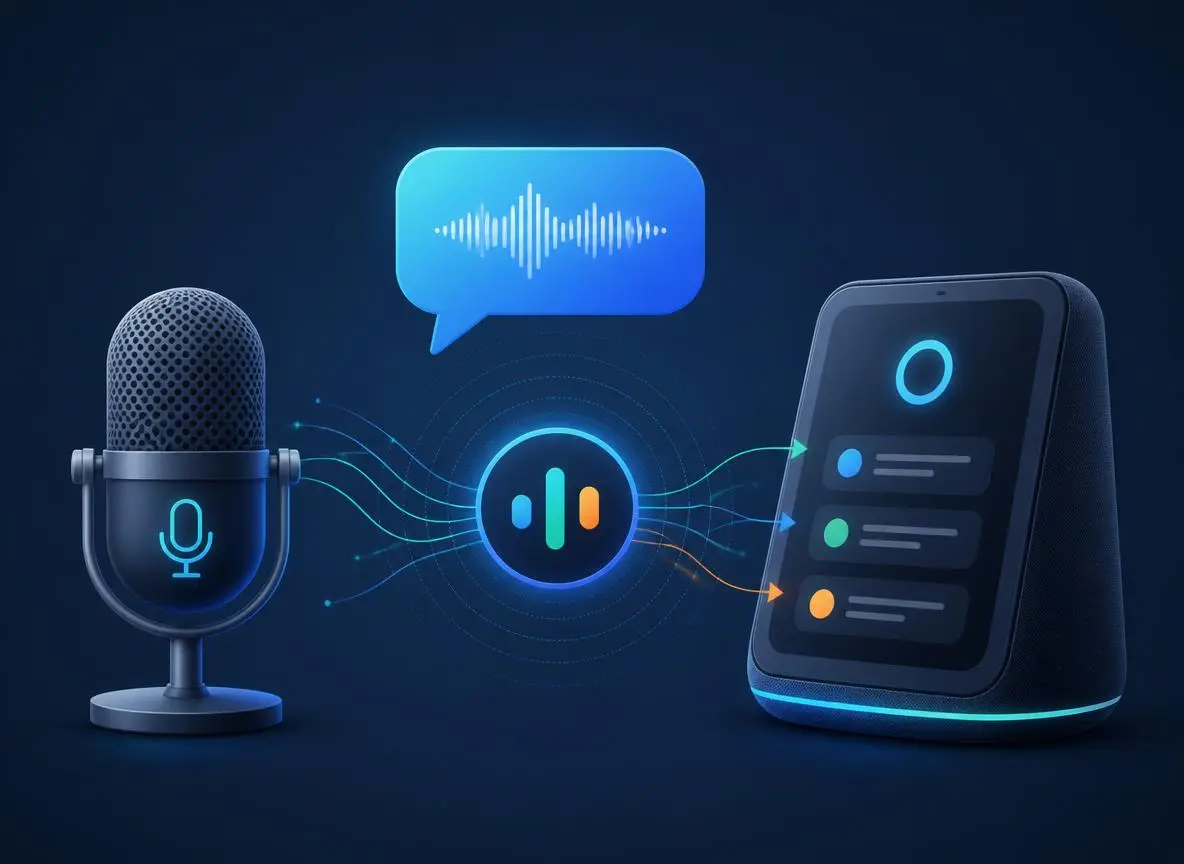
Writing for Voice Search and Smart Assistants
As more people use voice assistants like Siri, Alexa, and Google Assistant to search for information, the way content needs to be written to be found and read aloud has shifted meaningfully from traditional SEO writing. This guide covers how voice search differs from typed search and how to adjust your writing to perform well in this growing channel.
How Voice Search Differs From Typed Search
Typed searches tend to be short and fragmented: "best pizza NYC." Voice searches tend to be longer and more conversational, phrased as full questions: "What's the best pizza place near me right now?" This difference matters enormously for how content should be structured and worded to match the way people actually speak their queries.
Voice searches are also more likely to be phrased as direct questions using words like who, what, where, when, why, and how, since speaking a query naturally tends toward complete, conversational phrasing rather than the clipped keyword fragments common in typed search.
Writing Content That Matches Conversational Queries
Use natural, question-based headers.
Structuring sections around actual questions people would ask — "How long does it take to..." or "What is the best way to..." — aligns your content directly with how voice queries are phrased.
Answer the question immediately and directly.
Voice assistants often extract a single concise answer to read aloud, typically pulled from the first sentence or two following a question-based heading. Front-loading the direct answer, then following with supporting detail, significantly increases the chance that this snippet gets selected and read aloud.
Keep direct answers concise.
Voice assistants generally read aloud a short answer, often one or two sentences, before optionally offering more detail if the user asks a follow-up. Content with a tight, clear initial answer performs better than content that buries the answer in a longer paragraph.
Local Search Considerations
A large share of voice searches relate to local information — nearby businesses, hours, directions. For any business-related content, ensuring accurate, structured information about location, hours, and services (often through structured data markup) significantly improves the chances of being surfaced in voice search results for local queries.
Structured Data and Featured Snippets
Voice assistants frequently pull answers from featured snippets, the highlighted answer boxes that appear at the top of search results. Structuring content clearly, with well-labeled headers, concise definitions, and organized lists, increases the likelihood of being selected as a featured snippet, which in turn increases the likelihood of being read aloud by a voice assistant.
Writing Style Adjustments
Favor a natural, conversational tone.
over dense, formal writing, since voice search rewards content that mirrors how people actually talk and ask questions.
Avoid excessive jargon.
that would sound unnatural if read aloud by a synthetic voice, and favor plain language wherever possible.
Anticipate follow-up questions.
a curious reader might have, and structure content to address a natural sequence of related questions, since voice interactions often involve a back-and-forth exchange rather than a single query.
Final Thought
Writing for voice search ultimately means writing for real human conversation rather than search-engine shorthand. Content that answers genuine, naturally phrased questions clearly and concisely tends to perform well both for voice assistants and for the growing number of readers who simply prefer clear, direct answers over dense, keyword-heavy text.